
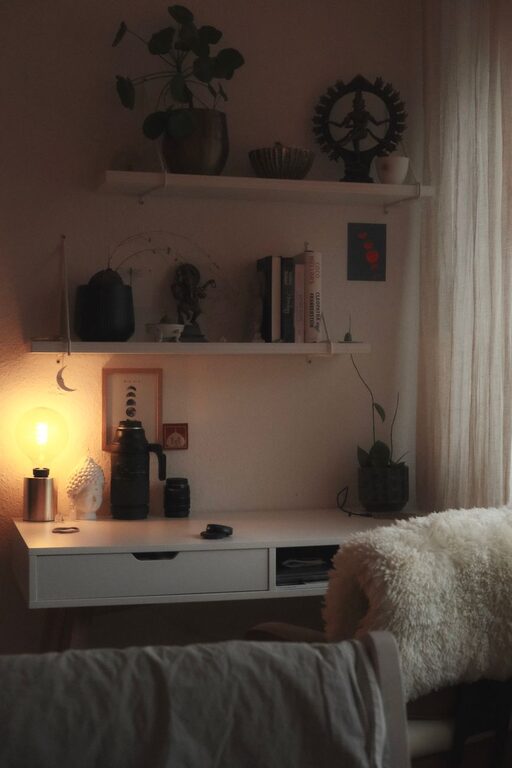
Creating a relaxing home office environment is essential for maintaining focus, reducing stress, and enhancing overall productivity. Whether you’re new to working from home or looking to improve your current workspace, a few thoughtful changes can make a big difference. Here are some practical tips to help you design an office that feels calm and comfortable.
Choose the Right Location
The first step in creating a relaxing home office is selecting the perfect spot. Ideally, choose a room or corner with enough natural light and minimal distractions. A dedicated space separate from your living or sleeping areas helps set clear boundaries between work and personal time.
Consider Natural Light
Natural light not only improves mood but also reduces eye strain. Position your desk near a window to benefit from daylight. If this isn’t possible, invest in good quality, adjustable lighting to reduce glare and improve visibility.
Minimise Noise
If possible, pick a quiet room or use noise-cancelling headphones to block out distractions. Adding soft furnishings like rugs, curtains, or cushions can also absorb sound and create a cozier acoustic environment.
Invest in Comfortable Furniture
Comfort is key in creating a relaxing home office. The right furniture supports your body and helps prevent fatigue, allowing you to stay focused longer.
Ergonomic Chair and Desk
Choose a chair with adjustable height, good lumbar support, and cushioning. Your desk should be at a comfortable height to avoid slouching. If space allows, consider a sit-stand desk to switch positions throughout the day.
Keep it Organised
A cluttered desk can lead to a cluttered mind. Use storage solutions like drawers, organisers, or shelves to keep supplies tidy. Having everything in its place makes it easier to concentrate and helps maintain a calming environment.
Personalise Your Space
Adding personal touches can make your home office feel less clinical and more inviting.
Soothing Colours
Choose colours that promote calm and focus, such as soft blues, greens, or neutrals. You can apply these hues on walls, furniture, or accessories. Avoid overly bright or harsh colours that might cause distractions.
Plants and Nature Elements
Indoor plants can improve air quality and introduce a touch of nature. Select low-maintenance varieties like snake plants or succulents if you don’t have a green thumb. Even a small bunch of fresh flowers can brighten up your desk.
Meaningful Decor
Display artwork, photos, or objects that inspire you but keep decorations minimal to maintain a tidy workspace. Personal items that bring you joy can boost motivation and create a positive atmosphere.
Manage Lighting and Screen Settings
Proper lighting is crucial for reducing eye strain and creating a relaxing ambiance.
Balanced Lighting
Combine natural, ambient, and task lighting for the best results. Use a desk lamp with adjustable brightness for focused work. Avoid working in the dark or relying solely on overhead lights, which can cause glare.
Screen Adjustments
Position your computer screen at eye level and about an arm’s length away. Adjust brightness, contrast, and text size to comfortable levels. Consider using blue-light filters or glasses if you spend long hours in front of a screen.
Create Calm with Sounds and Scents
Sound and scent can subtly influence your mood and concentration.
Background Sounds
If silence is unnerving, try gentle background sounds like soft instrumental music, nature sounds, or white noise. There are many apps and websites designed for this purpose.
Aromatherapy
Certain scents such as lavender, vanilla, or eucalyptus may promote relaxation and focus. Use essential oils or scented candles safely, ensuring proper ventilation.
Implement Healthy Habits
A relaxing home office is also about how you use the space and take care of yourself.
Regular Breaks
Take short breaks every hour to stretch, move around, or rest your eyes. This helps reduce fatigue and maintain productivity.
Hydration and Snacks
Keep water and healthy snacks nearby to stay energised. Staying hydrated is important for mental clarity and overall wellbeing.
Set Boundaries
Define your working hours and stick to them to avoid burnout. When your workday ends, close your office space if possible and transition to leisure time.
Keep Technology Organisation and Efficiency
Technology plays a big role in home offices, but unmanaged cables and devices can add to clutter and stress.
Cable Management
Use clips, ties, or sleeves to keep cables neat and untangled. This keeps your desk clear and prevents accidents.
Efficient Devices
Make sure your computer, printer, and other devices are efficient and up to date to avoid frustration. Regular maintenance and software updates help reduce downtime.
—
By applying these tips, you can create a home office that is not only functional but also a peaceful retreat that supports your wellbeing and productivity. Remember, small adjustments tailored to your preferences can transform your workspace into a sanctuary for focused, enjoyable work.