
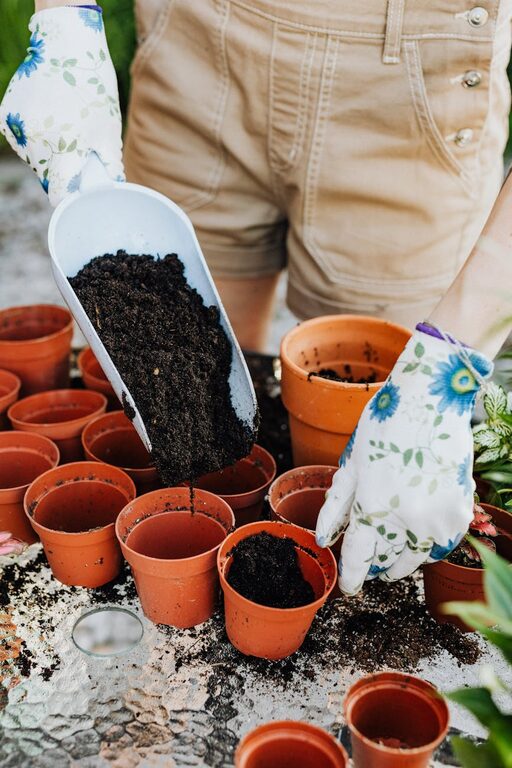
Spring is an ideal time to begin a home gardening project. As the days lengthen and temperatures rise, conditions become perfect for planting and nurturing a wide variety of plants. Whether you have a spacious garden or a small balcony, starting your garden in spring offers a rewarding experience that connects you with nature and beautifies your living space.
In this post, we’ll guide you through essential tips to help you establish a successful home garden during spring. From choosing plants to soil preparation and ongoing care, these easy-to-follow suggestions will set you on the path to gardening success.
Plan Your Garden Space
Before you pick up a spade or seeds, it’s important to assess your available space and decide what kind of garden you want.
Consider Your Location and Size
– Garden beds: Traditional outdoor garden beds or raised beds are great if you have enough yard space.
– Containers and pots: Perfect for small patios, balconies, or indoors.
– Vertical gardening: Use trellises or wall-mounted planters to save space.
Understanding your space limitations will help you choose suitable plants and garden layouts. Take note of sunlight patterns during the day—most vegetables and flowers need at least 6 hours of direct sunlight.
Define Your Garden’s Purpose
Think about whether you want:
– Flowers and ornamentals for aesthetic appeal
– Herbs and vegetables for fresh cooking ingredients
– A mix of both for beauty and practicality
Deciding early helps to select the right plants and plan your garden accordingly.
Prepare the Soil Properly
Healthy soil is the foundation of successful gardening.
Test Your Soil
If possible, perform a soil test to check the pH and nutrient levels. Most plants thrive in soil with a neutral pH (around 6 to 7). You can obtain testing kits from garden centres or send samples to a local agricultural extension service.
Improve Soil Quality
– Add organic matter: Compost or well-rotted manure improves structure, water retention and provides nutrients.
– Loosen compacted areas to allow roots to spread.
– Remove weeds and debris to reduce competition and disease risk.
Preparing your soil well before planting will encourage healthy root development.
Choose the Right Plants for Spring
Select plants suited to your local climate and spring conditions.
Opt for Hardy and Easy-to-Grow Plants
If you’re new to gardening, start with varieties known for their ease of care, such as:
– Vegetables: Lettuce, radishes, spinach, peas, and carrots
– Herbs: Parsley, chives, coriander, and mint
– Flowers: Pansies, marigolds, snapdragons, and primroses
Check seed packets or plant labels for recommended planting times to ensure they thrive in spring conditions.
Use Quality Seeds or Seedlings
Starting with good quality seeds or healthy seedlings will increase your chances of success. Many garden centres sell spring-ready seedlings that give you a head start.
Plan Your Planting Schedule
Timing can be crucial, especially for vegetable gardens.
Understand Frost Dates
Know your local last frost date—the average date after which frost is unlikely. Earlier plantings can be sensitive to frost damage, so schedule sowing accordingly.
Start Seeds Indoors if Needed
For plants with longer growing seasons, such as tomatoes or peppers, start seeds indoors a few weeks before the last frost date and transplant outside once conditions are warmer.
Water Wisely
Adequate watering is essential but avoid overwatering, which can harm plants.
Water Early or Late in the Day
Water in the early morning or evening to reduce evaporation and help plants absorb moisture effectively.
Check Soil Moisture
Before watering, feel the soil about two inches deep. If it feels dry, it’s time to water. Consistent moisture is important, especially for seedlings and young plants.
Mulch Your Garden Beds
Mulching offers many benefits that support plant health:
– Controls weeds by blocking sunlight
– Retains soil moisture
– Regulates soil temperature
– Adds organic matter as it breaks down
Use natural mulches like straw, grass clippings, or bark chips and apply a 5-7cm layer around plants, leaving a small gap near stems.
Monitor for Pests and Diseases
Stay vigilant for early signs of pests or diseases in your plants.
Use Natural Pest Control
Encourage beneficial insects like ladybirds and bees by planting flowers such as lavender and nasturtiums. If pests appear, try non-chemical solutions like handpicking or insecticidal soap before resorting to stronger treatments.
Maintain Regular Garden Care
Consistency is key to a thriving garden.
– Weed regularly to reduce competition.
– Prune and deadhead flowers to promote growth.
– Feed plants with organic fertilisers according to plant needs.
Keeping up with these tasks prevents problems and encourages healthy development.
Enjoy the Process and Learn
Gardening is a journey of discovery. Some plants may thrive while others take a little longer or may not succeed the first time. Take notes, be patient, and celebrate your successes. Over time, you’ll develop a deeper understanding of your garden’s needs and enjoy the many benefits gardening brings.
—
Starting a home garden this spring is a wonderful way to connect with nature, enhance your environment, and enjoy fresh, homegrown produce or beautiful blooms. By planning carefully, preparing your soil, choosing suitable plants, and providing regular care, you can create a flourishing garden that will bring satisfaction for seasons to come.
Happy gardening!