
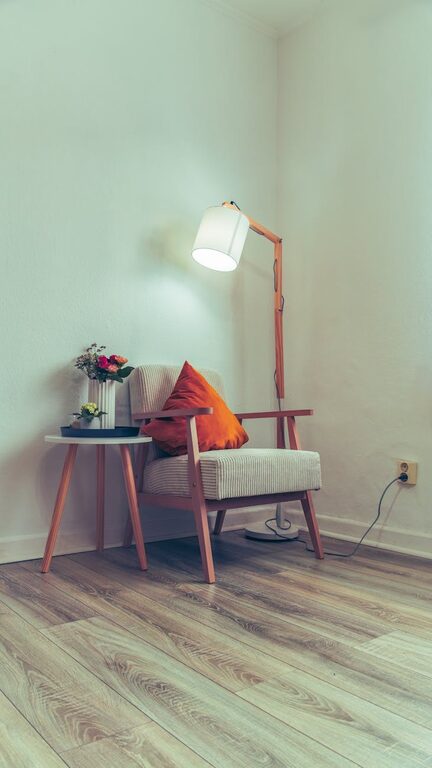
Creating a cosy and inviting reading nook at home is a wonderful way to carve out a personal space dedicated to relaxation and enjoyment. Whether you have a large spare room or just a small corner, designing a nook that feels warm and welcoming can elevate your reading experience. In this post, we’ll explore practical and easy steps to build a nook that you’ll love spending time in.
Why Create a Reading Nook?
A reading nook is more than just a spot to sit and read; it’s a sanctuary from daily stresses, a place to recharge, and a way to make reading feel special. Having a dedicated nook encourages regular reading habits and adds a charming feature to your living space.
Choosing the Perfect Location
Find a Quiet Spot
Look for a place in your home that’s peaceful and away from distractions. This could be:
– A spare corner in the living room
– A space by a window with natural light
– An unused alcove or bay window
– A section of your bedroom or study
The key is to pick a spot where you feel comfortable and where noise is minimal.
Consider Lighting
Good lighting is crucial for reading. Ideally, position your nook near a window for natural daylight. If that’s not possible, use soft, adjustable lighting such as:
– A floor lamp with a warm bulb
– A table lamp with a dimming option
– Fairy lights or LED strips for ambience
Furnishing Your Nook
Choose a Comfortable Seat
The heart of any reading nook is the seating. Options include:
– A cosy armchair or lounge chair with soft cushions
– A window seat with plush padding
– A bean bag or a floor cushion for a relaxed feel
– A small sofa or loveseat if space allows
Make sure the seat supports good posture while still being comfortable.
Add Cushions and Throws
Layer your seating with cushions and throws to add warmth and softness. Opt for fabrics like:
– Wool or knitted throws for warmth
– Cotton or linen cushions for breathability
– Velvet or faux fur for a luxurious touch
Mix and match colours and textures to create visual interest and comfort.
Storage and Organisation
Keep Books Handy
Include shelves or a small bookcase nearby. If space is limited, consider:
– Floating shelves on the wall
– A stack of your favourite books arranged beside the seat
– A storage ottoman that doubles as seating and book storage
Keeping books within arm’s reach invites you to settle in with ease.
Use Baskets and Trays
Baskets can store extra throws, magazines, or reading accessories like bookmarks. A small tray can hold your cup of tea or reading glasses, keeping everything organised and neat.
Personal Touches and Decor
Incorporate Plants
Plants add life and a sense of calm. Easy-to-care-for varieties like succulents, snake plants, or pothos work well indoors and brighten the space.
Surround Yourself with Inspiration
Add framed artwork, inspirational quotes, or photographs related to your favourite books or authors. This helps create a nook that feels uniquely yours.
Scent and Sound
Scented candles or essential oil diffusers can enhance relaxation, with gentle fragrances like lavender or vanilla. If you enjoy background sound, consider a small Bluetooth speaker to play soft music or nature sounds.
Practical Tips for Maintenance
– Regularly dust and clean your nook to keep it inviting.
– Rotate books and cushions seasonally to refresh the space.
– Adjust lighting according to the time of day and weather.
– Keep a small waste bin nearby for convenience.
Final Thoughts
Designing a cosy and inviting reading nook doesn’t have to be complicated or expensive. Focus on comfort, lighting, and personal touches to create a space where you’ll love to escape with a good book. Remember, the best reading nook is one that reflects your style and meets your needs.
Happy reading!