
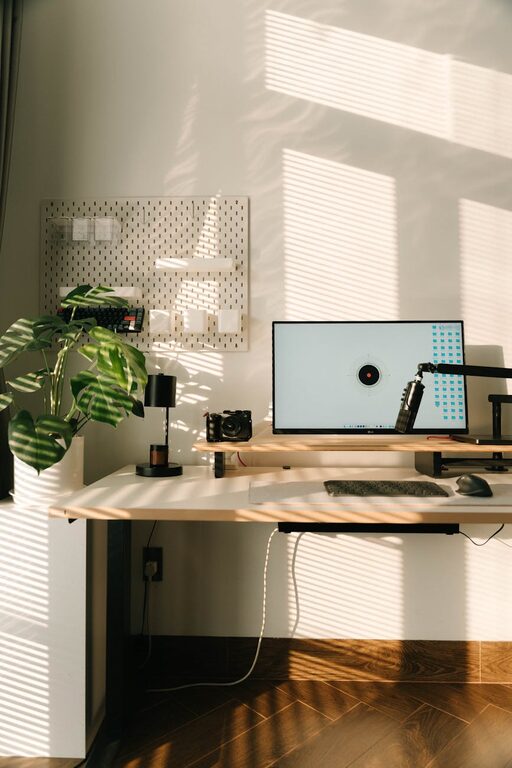
Creating a home office that balances productivity and relaxation can greatly enhance your work-from-home experience. A well-designed workspace not only helps you stay focused but also reduces stress and maintains your wellbeing throughout the day. Whether you’re setting up a new office or looking to improve your current space, these tips will guide you in creating an environment that works for you.
Choose the Right Location
Quiet and Private Space
Selecting a quiet and private corner in your home is essential. Avoid high-traffic areas where household noise and distractions are common. Ideally, use a separate room or a nook that signals “work mode” to help you mentally switch between work and personal time.
Natural Light
Position your desk near a window if possible. Natural light boosts mood, reduces eye strain, and helps regulate your body clock. If natural light is limited, invest in quality daylight-mimicking lamps to brighten your workspace evenly.
Invest in Comfortable Furniture
Ergonomic Chair
A supportive chair made with ergonomics in mind can prevent back pain and fatigue. Look for adjustable features such as seat height, lumbar support, and armrests to tailor the chair to your body.
Functional Desk
Choose a desk with enough surface area to accommodate your computer, documents, and other essentials comfortably. Standing desks or adjustable desks are great options to alternate between sitting and standing throughout the day.
Declutter and Organise
Minimise Distractions
Keep your workspace tidy and clutter-free. Use organisers, trays, and shelves to store paperwork and supplies neatly. A clear desk can help clear your mind and improve focus.
Cable Management
Messy cables can be distracting and unsafe. Use cable ties, clips, or under-desk trays to keep cords organised and out of sight.
Personalise Mindfully
Add Greenery
Indoor plants not only improve air quality but also create a calming atmosphere. Choose easy-to-care-for plants like succulents, spider plants, or peace lilies to bring nature into your workspace.
Display Inspirational Items
Having motivational quotes, artwork, or personal items on your desk or walls can encourage creativity and positivity. However, avoid overcrowding your space to maintain a clean environment.
Optimise Lighting
Layered Lighting
A combination of ambient, task, and accent lighting works best. Overhead lights provide general illumination, while desk lamps with adjustable brightness help with focused tasks.
Avoid Glare
Position computer screens perpendicular to windows or use curtains and blinds to reduce glare, which can cause eye discomfort and distractions.
Establish a Routine
Designate Work Hours
Setting regular working hours helps establish boundaries and encourages a healthy work-life balance. Inform family members or housemates of your schedule to minimise interruptions.
Take Breaks
Incorporate short breaks into your day to stand, stretch, or take a quick walk. Breaks refresh your mind and body, boosting overall productivity.
Use Technology Wisely
Reliable Equipment
Ensure your computer, internet connection, and other tools work seamlessly. Investing in quality hardware reduces frustration and downtime.
Noise Reduction Tools
If ambient noise is an issue, consider noise-cancelling headphones or white noise machines to maintain concentration.
Control Temperature and Air Quality
Comfortable Temperature
Keep your office at a comfortable temperature to avoid distraction from feeling too hot or cold. Portable fans or heaters can be useful for fine-tuning conditions.
Fresh Air
Good ventilation improves concentration and energy levels. Opening a window regularly or using an air purifier helps circulate fresh air.
Promote Wellness
Move Regularly
Incorporate movement into your day with stretches or quick exercises to avoid stiffness and improve circulation.
Mindfulness and Relaxation
Create a small corner with a comfortable chair or cushion dedicated to meditation, deep breathing, or quiet reflection. Taking a few minutes to relax can reduce stress and recharge your focus.
—
Designing a home office that is both relaxing and productive involves balancing functionality with comfort and personal touches. By considering your environment, furniture, lighting, organisation, and wellness, you can create a workspace that supports your best work and wellbeing. Remember that your needs may evolve, so periodically reassess and adjust your setup to keep your home office an enjoyable yet effective place to work.